Acne Scar Types, Treatments, and Your Way to Better Skin in 2025
Acne Scar Types, Treatments, and Your Way to Better Skin in 2025 ahtshamrana11 January 6,
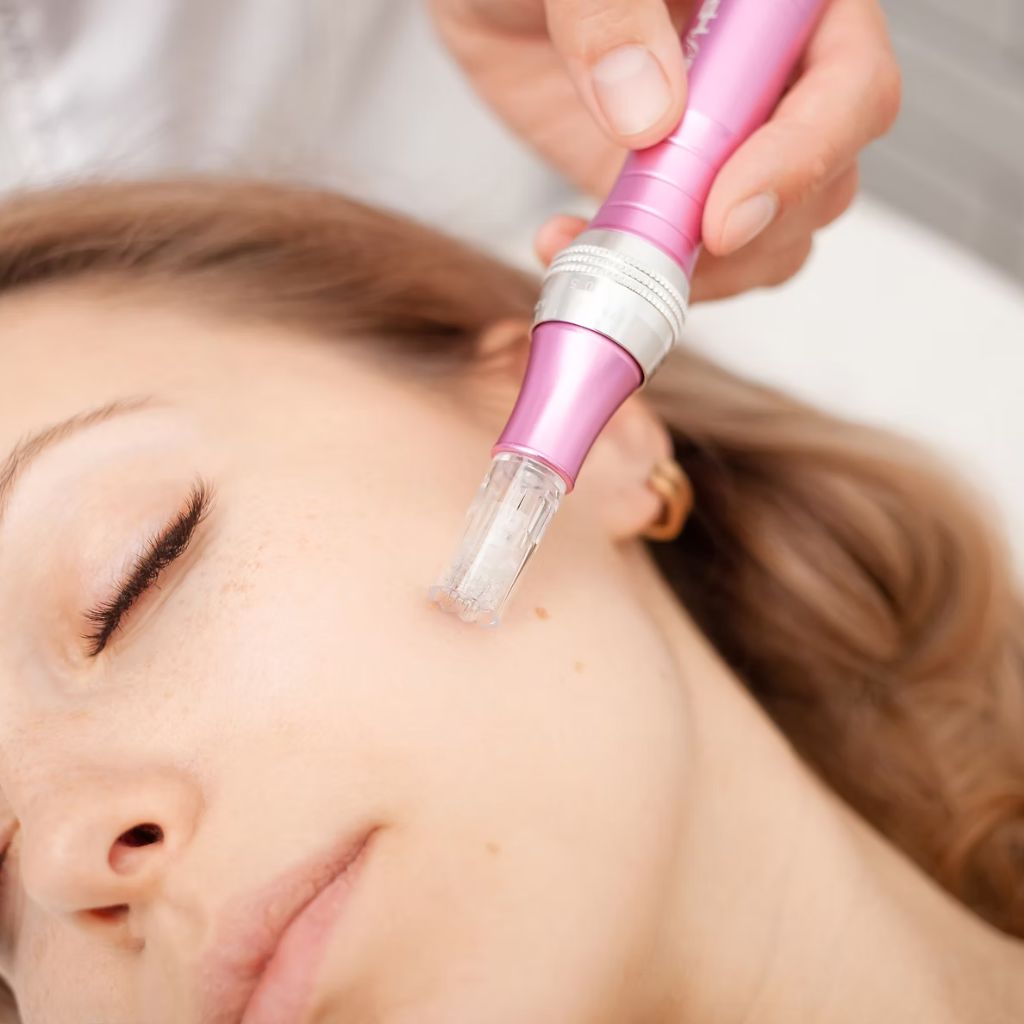
Microneedling has become a popular skincare treatment. and for good reason. When used strategically, this method can refine tone and texture to improve various conditions and promote a radiant, youthful-looking complexion. Once you understand the science behind microneedling, you’ll know when and how to incorporate it into your treatment plans for truly exceptional results.
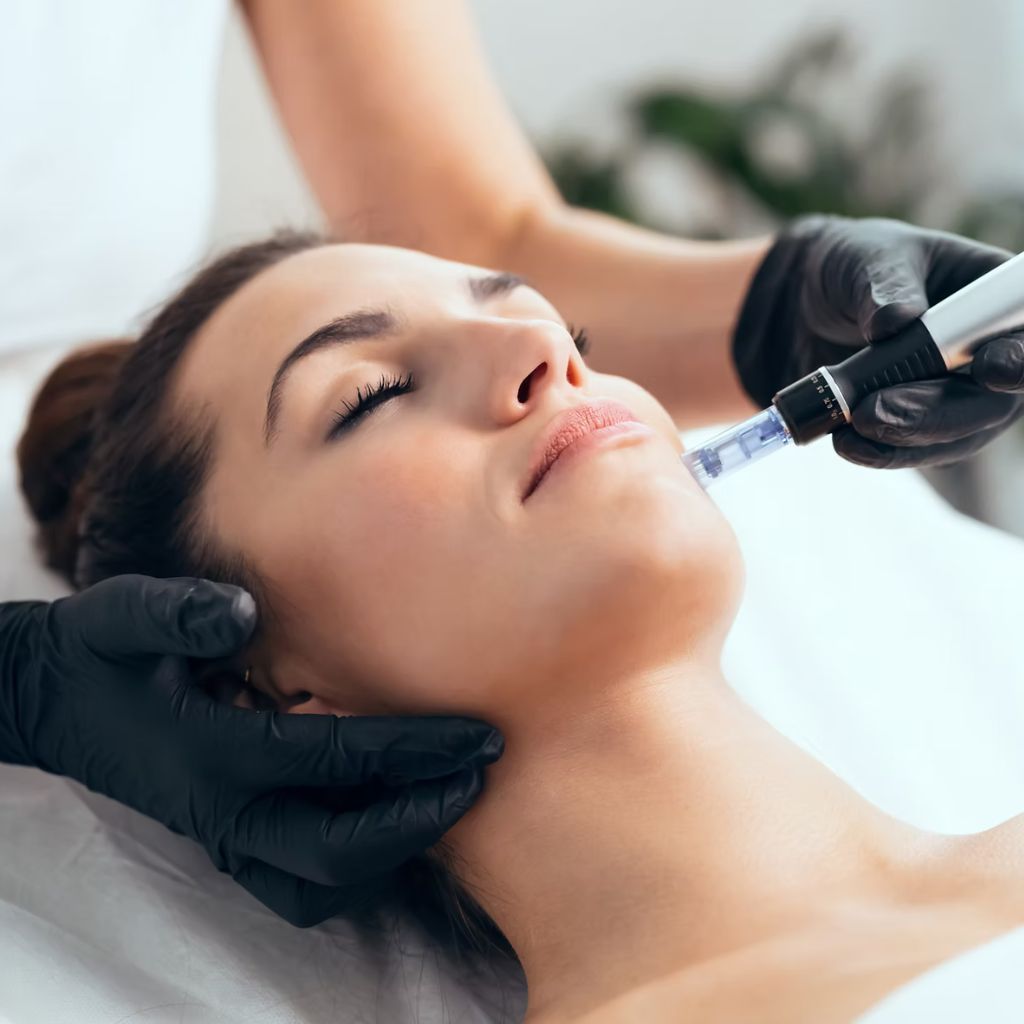
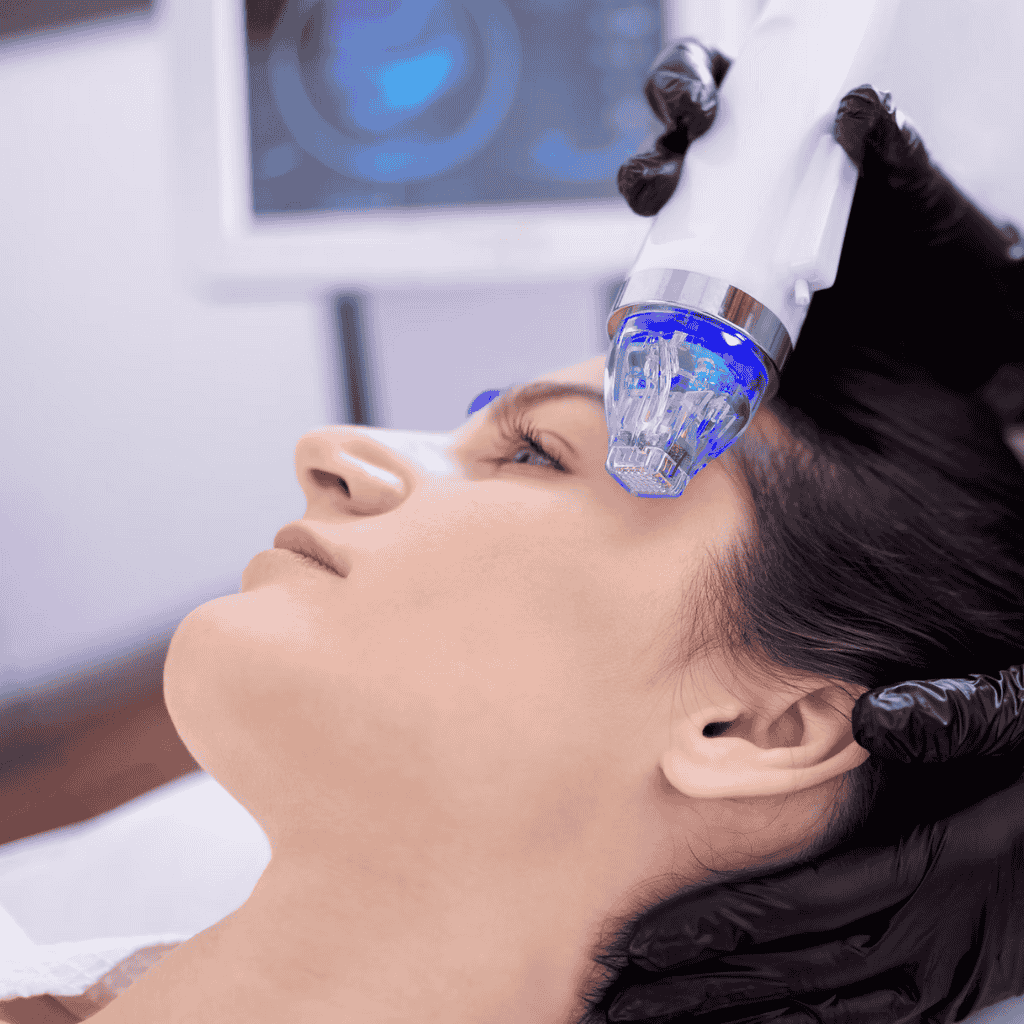
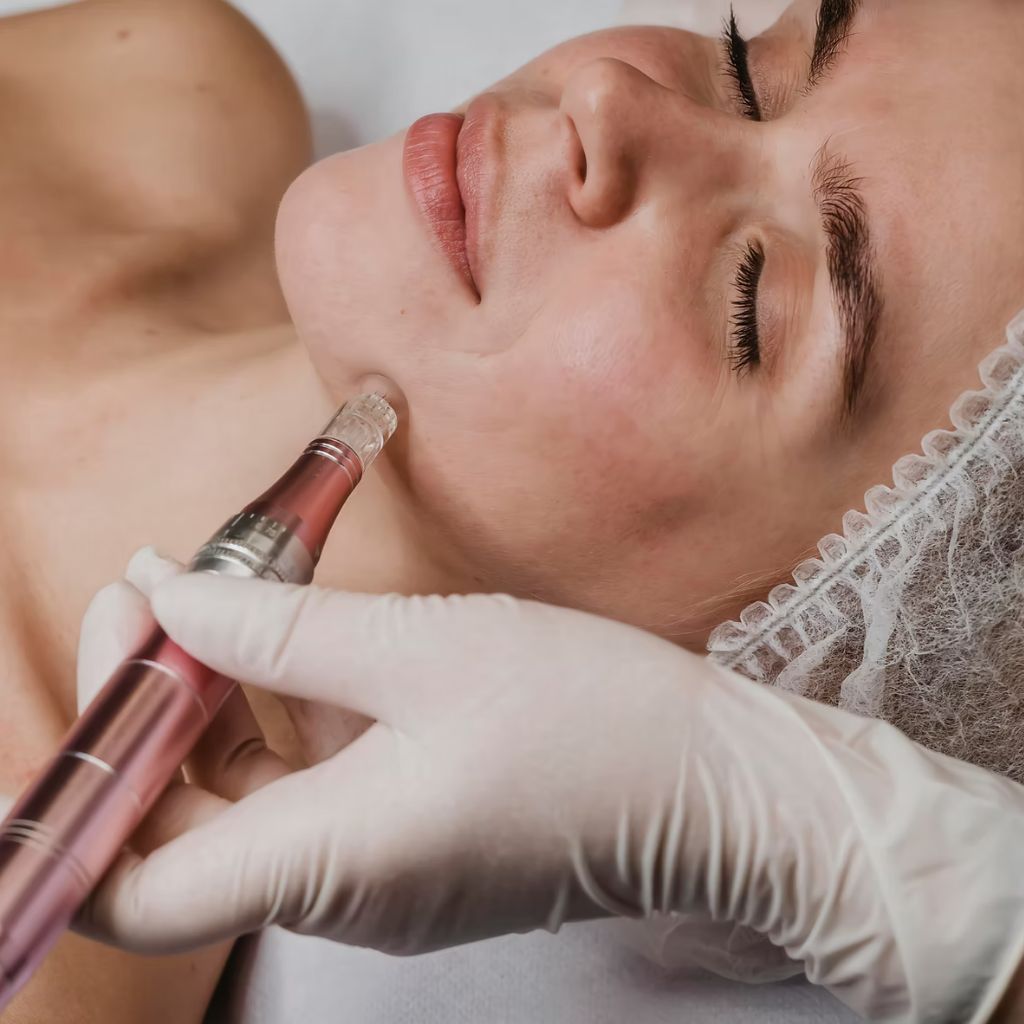
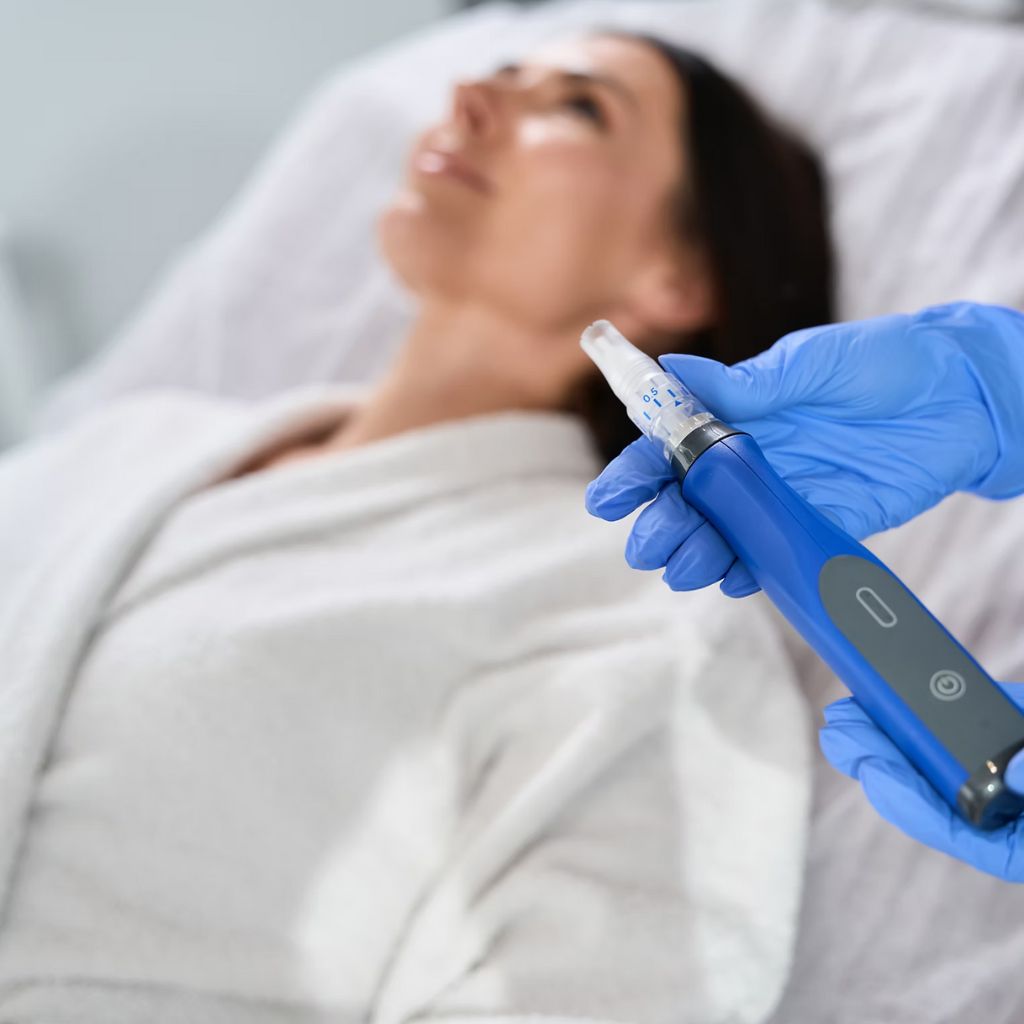
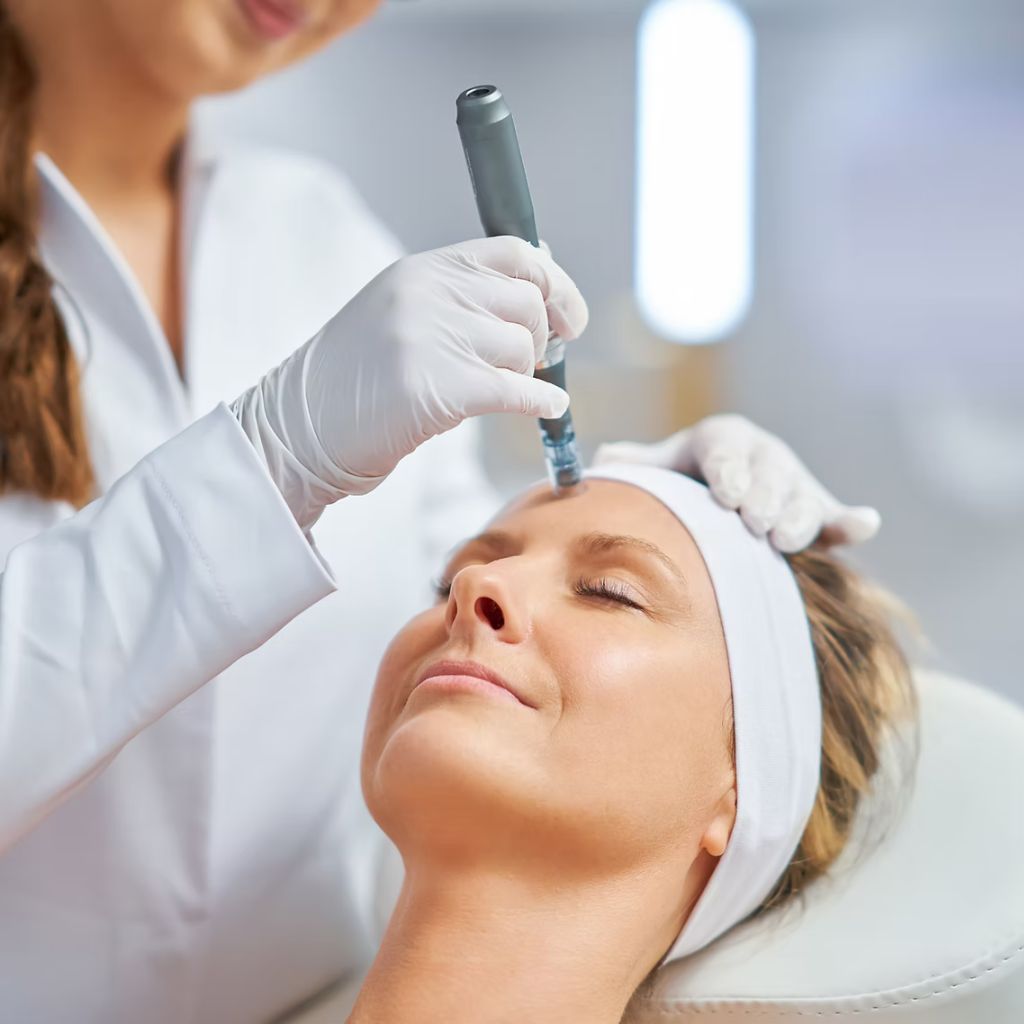
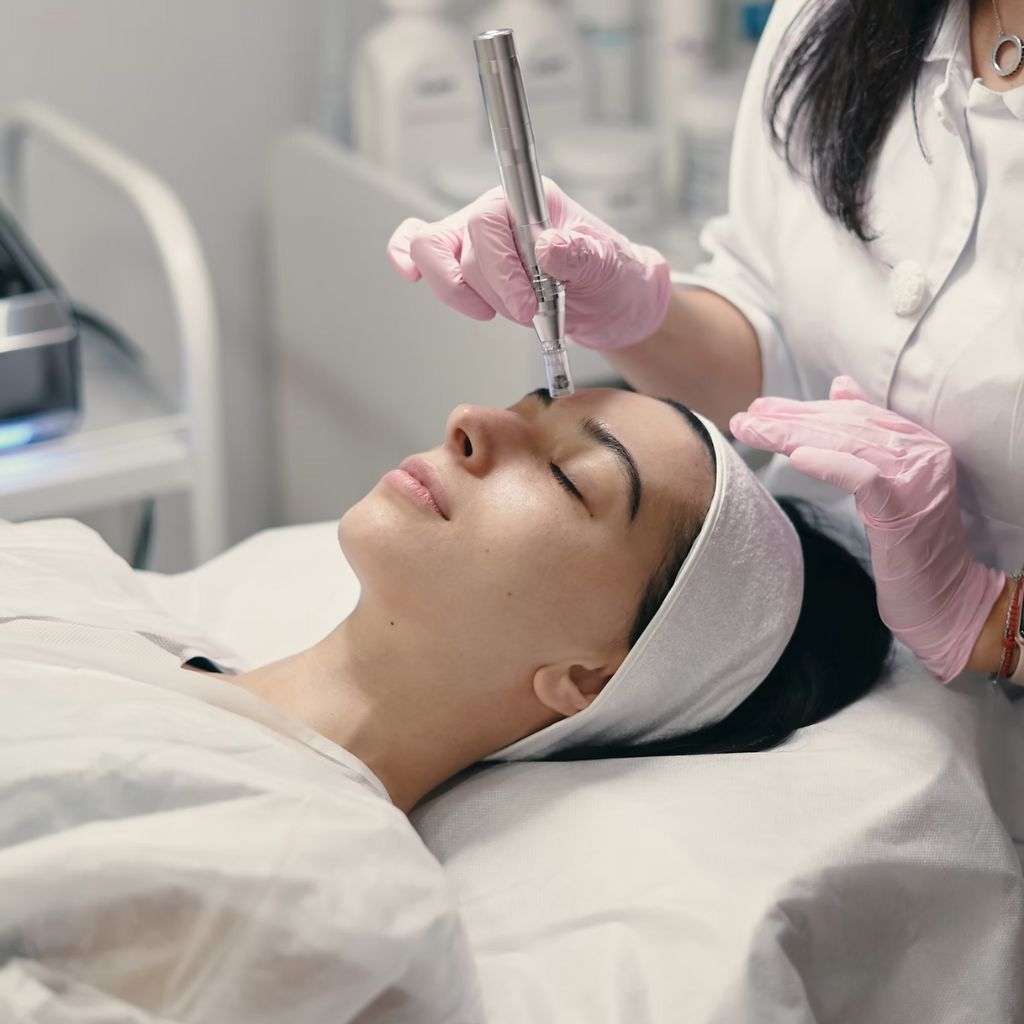
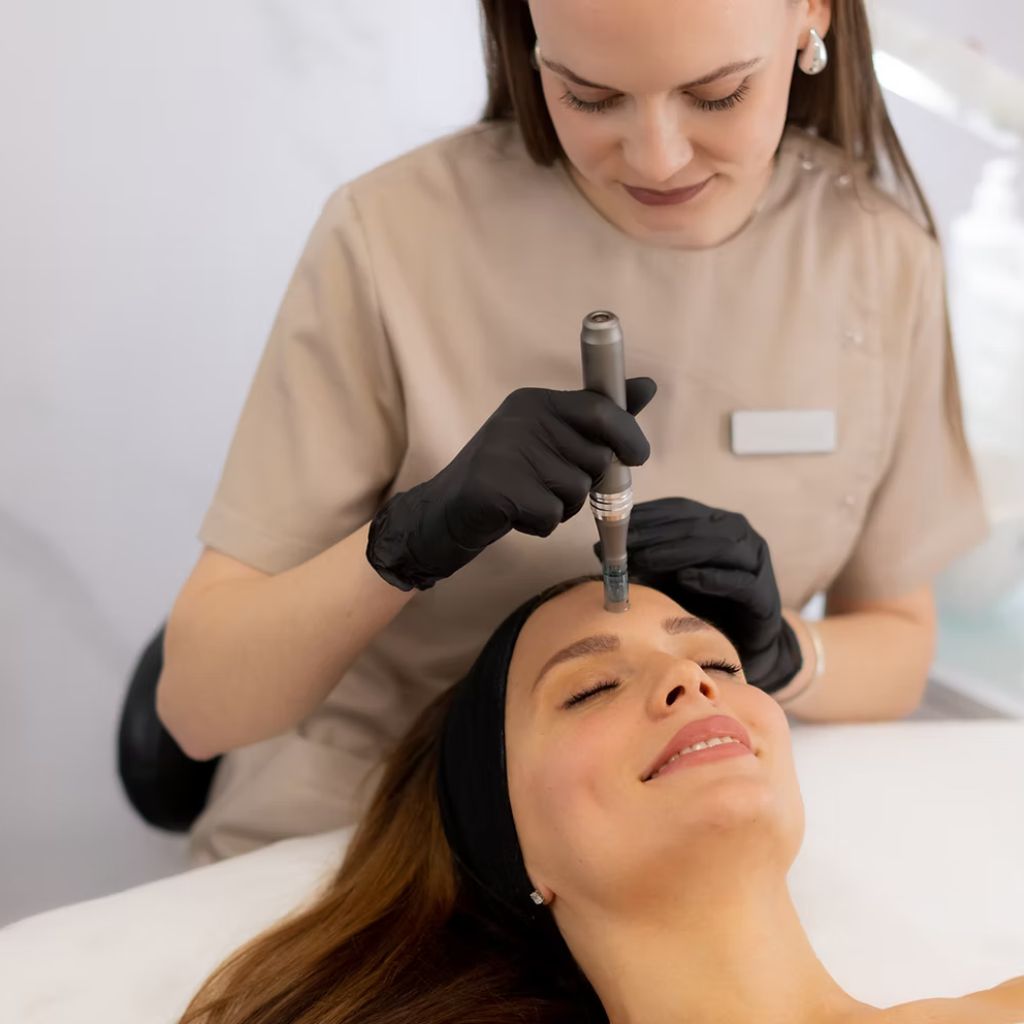
Microneedling, also known as collagen induction therapy (CIT), is a minimally invasive treatment that uses fine needles to create controlled micro-injuries in the skin’s surface. These micro-injuries trigger the skin’s natural recovery process, which stimulates fibroblast activity to increase collagen and elastin production leading to improved texture, firmness and overall skin quality.
Here’s a close look at the skin’s natural regeneration process:
During the inflammatory phase, micro-injuries activate platelets and immune cells, which release growth factors. These growth factors promote tissue recovery by increasing blood flow and initiating the production of new skin cells.
In the proliferation phase, fibroblasts migrate to the injury site and begin producing collagen and elastin, the proteins responsible for skin strength, elasticity and resilience. The microchannels also create temporary pathways that improve the absorption and efficacy of topical treatments, such as serums applied during or after the procedure.
Finally, the newly synthesized collagen (primarily type III) undergoes maturation and is replaced by type I collagen the predominant collagen type in healthy skin.
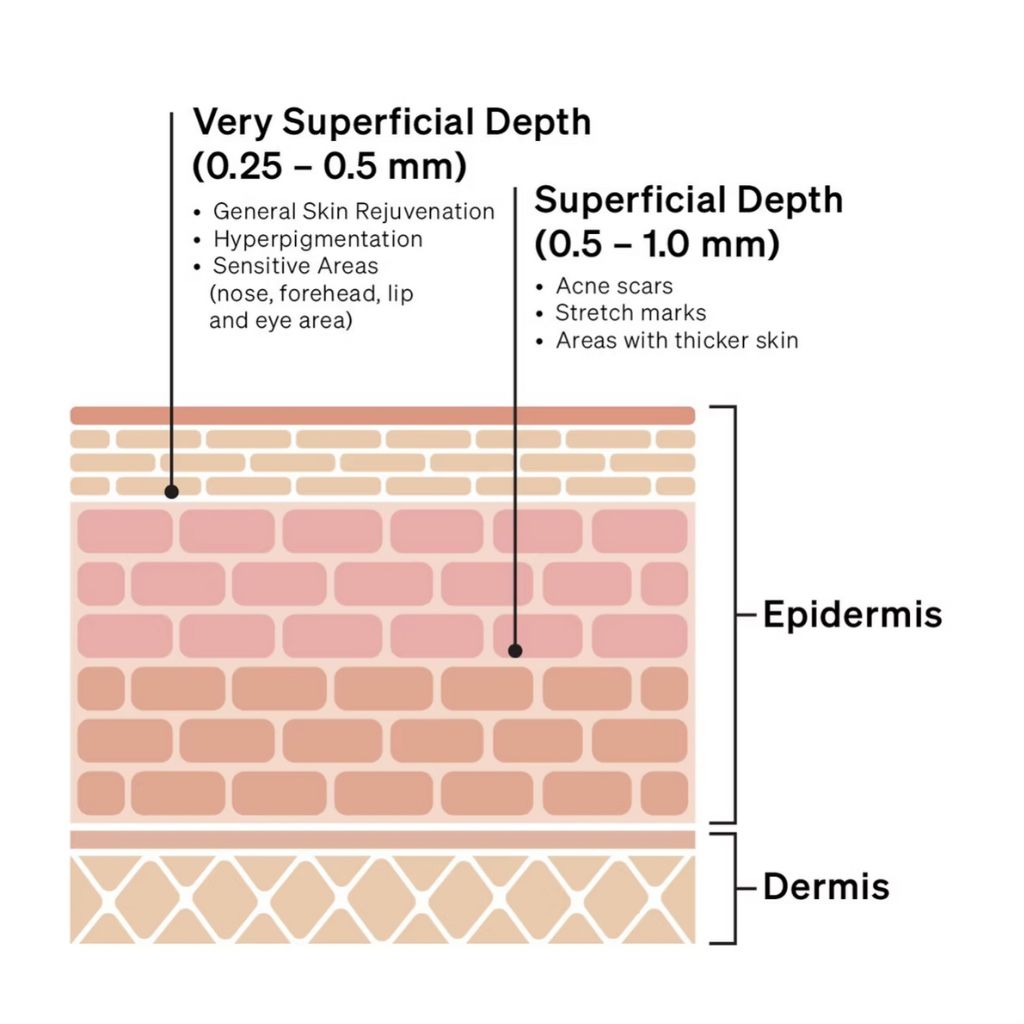
To activate the skin’s regeneration process, microneedling may penetrate as far as the middle of the dermis. Appropriate needle depth depends on the area of the body and the concern being treated. Your licensure or state regulations may also require you to stay within a specific depth range when performing microneedling. Be sure to verify what is within your scope of practice.
For first time clients, it is good practice to start with a shallow depth, then assess the skin’s tolerance before increasing it.
A Topic I Love To Discuss
This combination of benefits makes microneedling an effective, long-lasting solution for improving the skin’s structure and overall look. It also required very little to no social downtime, making it an excellent offering for your skincare business.
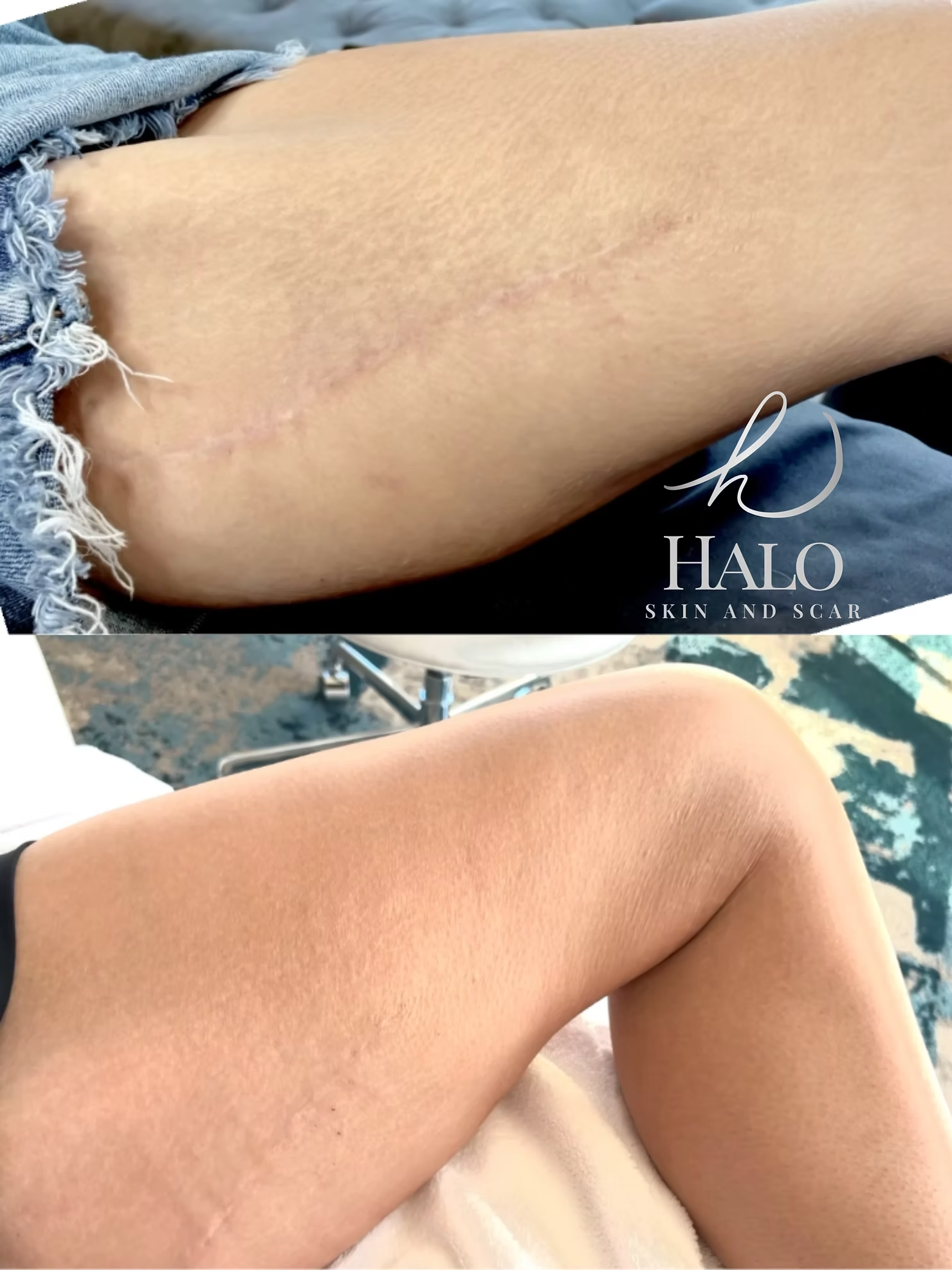
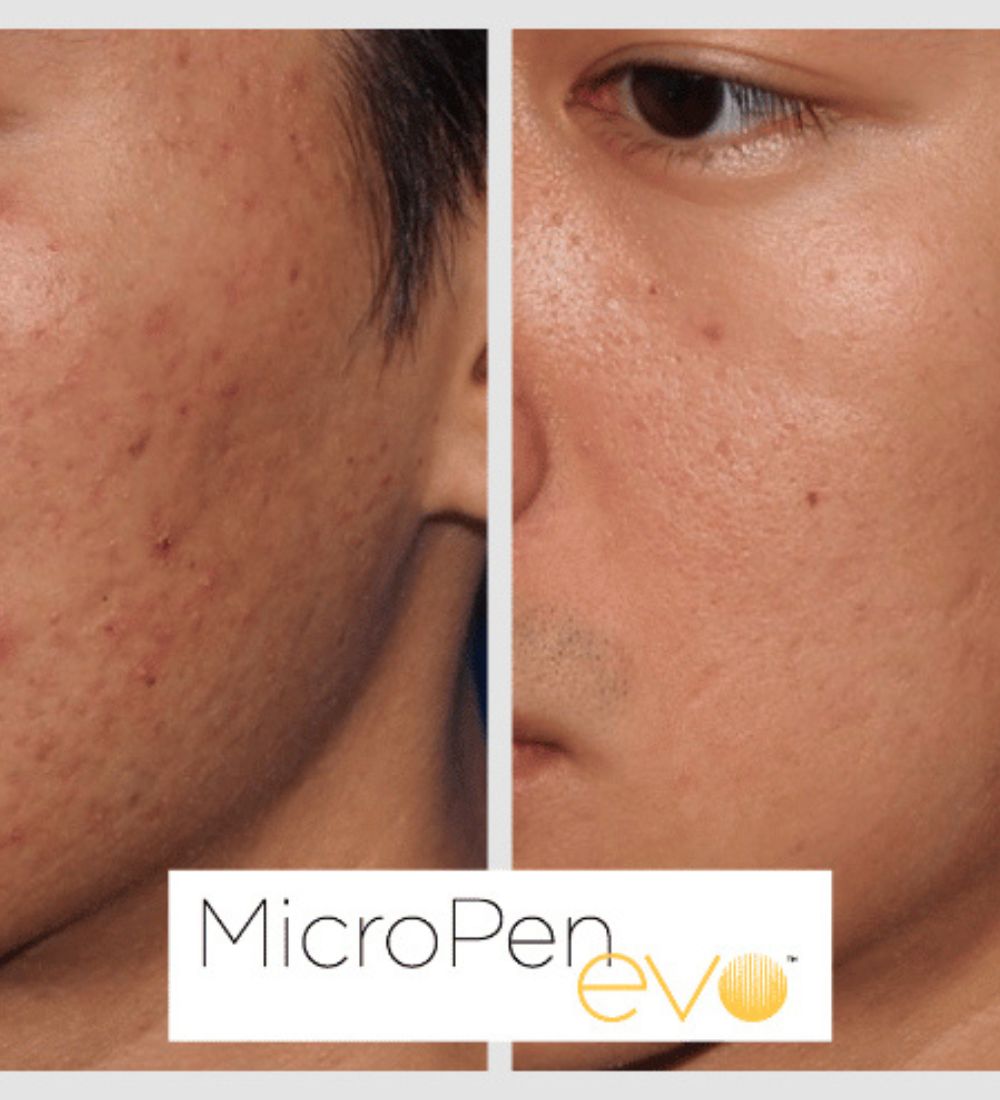
It is generally recommended to perform treatments every 4 – 6 weeks, as this allows the skin ample time to produce new, healthy collagen. Most clients experience visible improvements in their skin within a few weeks after their initial treatment. For best results, clients with prominen conditions, such as acne scars may require 6 – 8 sessions, while those seeking anti-aging or subtle improvements in tone and texture may only need 2 – 3 sessions.
While this minimally invasive procedure can be a powerful tool for improving the skin’s appearance, it is not suitable for everyone. For this reason, a thorough client evaluation is essential to ensure safe and effective treatment. Contraindications for microneedling include:
Always conduct a detailed consultation to identify any of these contraindications before proceeding with this procedure. This is the most crucial step in protecting your client’s skin and delivering the best possible results.
Each state has its own regulations on who can perform microneedling. States that classify microneedling as a medical procedure only allow medical professionals such as physicians, physician assistants and nurses to perform it. Some states permit estheticians to perform this treatment under a medical professional’s supervision, while others require specific training or certification. Verify what is legally within your scope of practice before offering this procedure to your clients. Be mindful that some states may only allow you to perform microneedling under certain conditions. Continue to familiarize yourself with state regulations as they can change over time.
After treatment, it’s common to experience some light redness, similar to a mild sunburn, for a day or two. Your clients can apply an ice pack to help reduce any irritation or discomfort. Most people can wear makeup 24 – 48 hours after the procedure but should avoid excessive sun exposure until their skin has fully healed.
Microneedling is considered a safe procedure and highly beneficial for most clients. Potential risks may include bruising, infection or scarring. The best way to avoid any risks or adverse effects is to ensure your client’s skin is properly prepared and cared for before and after treatment.
Before the procedure, ensure your client’s skin is thoroughly cleansed and free of makeup, products or oils. Also, remind your client to discontinue using any Retinol, skincare acids, tanning beds or exfoliating products at least 48 – 72 hours before their appointment as these can increase skin sensitivity.
Proper aftercare education is essential. Recommend gentle, pharmaceutical-grade products like our Comfort Cream with double concentration Aloe Vera to soothe and protect the skin post-treatment while supporting optimal recovery.
After the procedure, advise your client to avoid applying makeup, skincare products or anything other than a gentle, hydrating serum for at least 24 hours to allow the skin to recover. Encourage them to avoid touching their face and to switch to a clean pillowcase to minimize the risk of irritation or infection.
Sunscreen is critical! Recommend using a broad-spectrum product like our Oil-Free Protective Moisturizer with SPF 30 daily and avoiding direct sun exposure for at least 5 – 7 days. Additionally, remind them to avoid intense workouts, saunas or hot showers for 48 hours as excessive sweating can irritate the treated skin.
To maintain treatment results, proper skincare is key. Help your clients establish an effective daily routine to ensure their skin stays nourished, protected and radiant long after their treatment.
Microneedling can safely be combined with other treatments, such as chemical peels, laser therapy and targeted serums like Micro Lift Serum and Micro Renewal Smoothing Serum. Alternating or layering these treatments can offer a synergistic effect. However, this approach requires careful planning and adherence to state and regulatory guidelines. Always operate within the parameters of your licensure.
Knowing when and how to incorporate microneedling into your practice empowers you to offer personalized, effective skincare solutions. Our world-renowned training will give you the tools you need to incorporate microneedling seamlessly into your offerings. Register as a GlyMed+ Pro today and provide customized, results-driven treatments for every client.
Explore our newest blog posts covering proven scar care strategies, skin health tips, and real solutions to help your skin look and feel its best.
Acne Scar Types, Treatments, and Your Way to Better Skin in 2025 ahtshamrana11 January 6,
Plastic Surgery Scars – Types, Treatments, & Formation ahtshamrana11 January 6, 2026 Blog There are